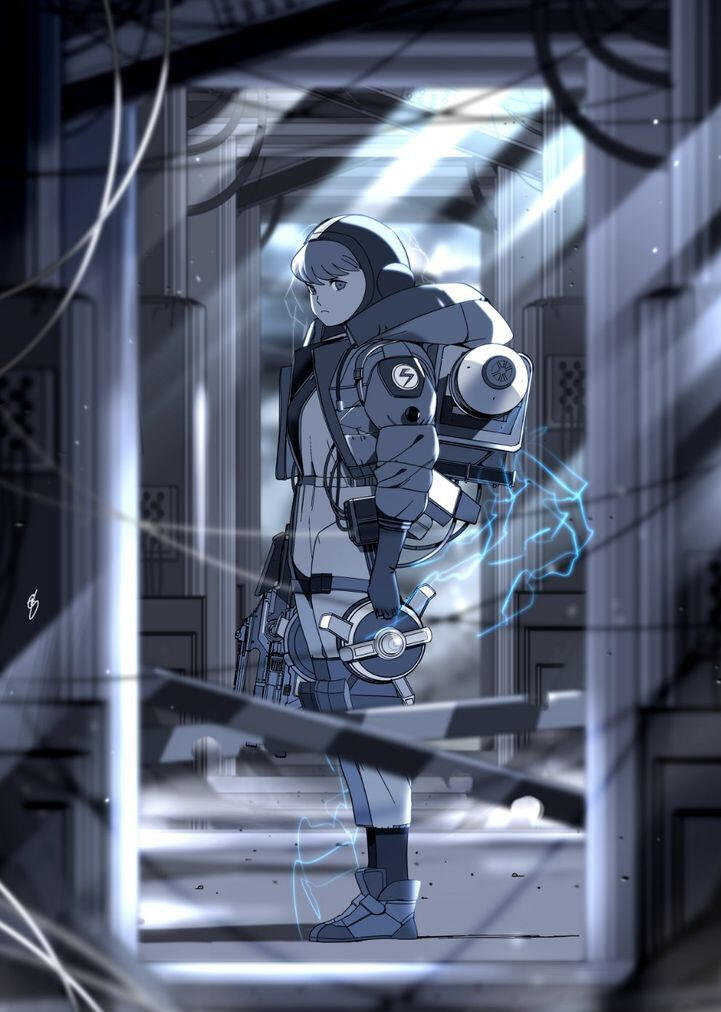
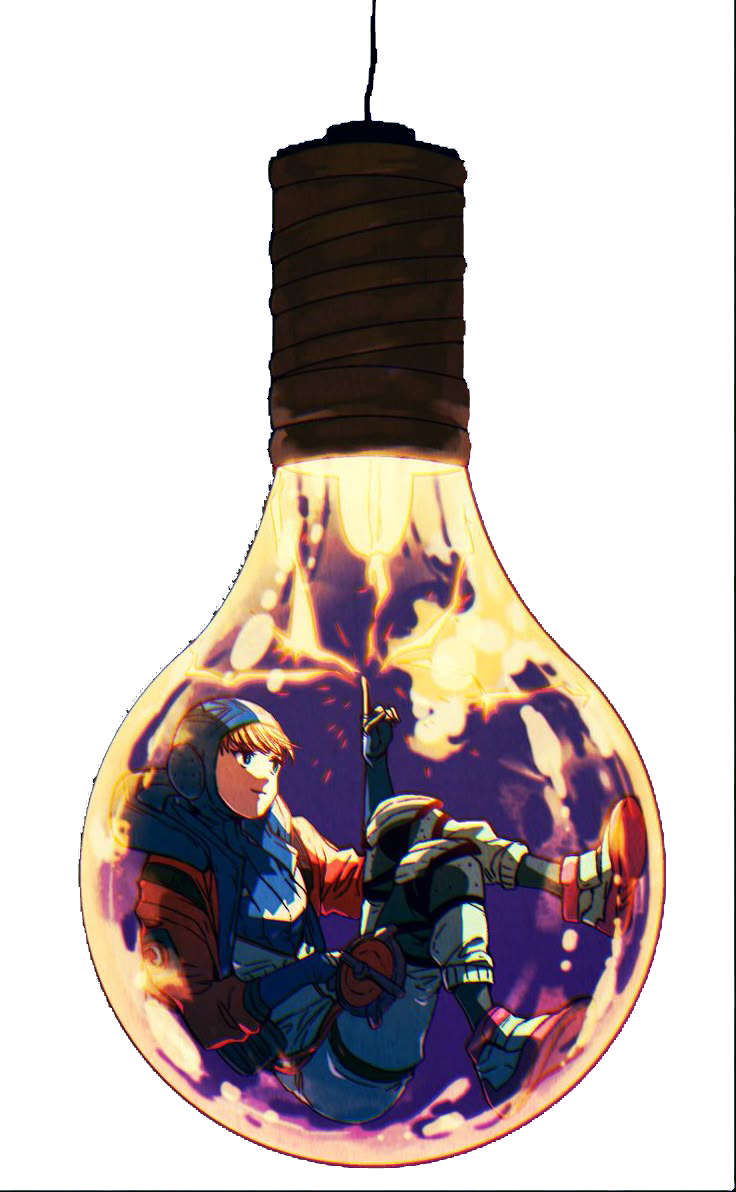
Cassandra always wanted to be a hero.
Born in Finland to parents who loved her enough to let her go. By the time Cassandra was old enough to understand what that meant, they were already distant figures preserved in censored letters and scattered memories. The Global Defence Agency told her her parents had made the only choice they could, really. That the strange condition developing inside her, the electrical instability woven into her body, would have killed her otherwise. The GDA, on the other hand, could contain it. Shape it. Give her a future of greatness.At first, her abilities seemed simple enough: absorbing electricity. Unartual, sure, though not exactly helpful in anyway. But as she got put though experiment after experiment, the true nature of her power revealed itself. Electricity was not just energy to her, it was space. Pathways. Open doors hidden inside every powered object on Earth. Anything carrying a current became permeable to her.A television screen could split open like a curtain for her to step through. She could vanish into a phone line, move unseen through security systems, travel between city blocks through buried cables. Inside electrical systems, she became almost untouchable. So long as power existed, she could escape. To corner her completely would require blacking out entire buildings, districts, sometimes entire cities. She had to physically drag herself back out of whatever device she emerged from, forcing her body through spaces never meant to contain a human being. Crawling out of a mobile phone felt like squeezing through a wound. Emerging from larger machinery was easier, smoother, more natural. The smaller the object, the more uncomfortable and grotesque the process became. ( she got use to it. )
- [ CLASSIFIED ]
Under the GDA’s previous director, Cassandra was sent on espionage missions as young as eight years old. A child who could move unseen through electrical systems was the perfect spy. Governments, military compounds, surveillance networks — once Cassandra was inside a system, there was very little anyone could do to stop her.The GDA considered her one of their greatest assets. Cassandra wasn’t so sure.She had spent her childhood idolising heroes like the Guardians of the Globe, imagining herself saving people openly and selflessly. Instead, she learned surveillance, infiltration, and information theft. She firmly believes the GDA is doing good for the world, but her role in it has never felt particularly heroic. Not like her idols, the need to become like them only growing stronger.Most of her habits are shaped by years of surveillance work. She slips into electrical systems absentmindedly, listening to conversations she was never invited into. Watches people through televisions without considering it invasive until afterward. Tracks the movement of strangers through city grids simply because she can. Privacy feels abstract to her, more theoretical than real. The line between observation and violation was erased from her life long before she understood it existed.Cassandra fills out reports. Restores power after disasters. Follows orders without hesitation. Then, in quieter moments, she watches ordinary people living ordinary lives with a kind of distant fascination.And somewhere underneath the conditioning, beneath the loyalty and the surveillance and the endless current humming through her veins, is the same lonely little girl who still wants to be a hero.Even if she no longer understands what heroes are supposed to look like.